The Frame Does the Work: London’s Best High Views Through Windows, Arches and Gaps
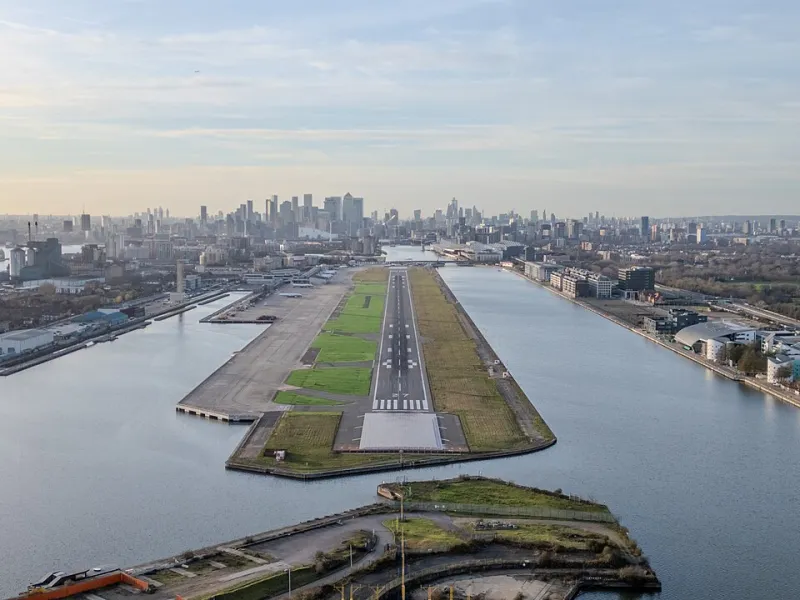
Photo: Alexander Baxevanis, CC BY 4.0, via Wikimedia Commons
There is a particular kind of London view that does not announce itself with a 360-degree sweep. It arrives through a stone opening, a grille, a gap between towers or a deep window bay. The city has done the cropping for you. All you have to do is stand in the right place and stop talking for a minute.
Wide panoramas are generous, but they can also be forgettable. Everything is there, so your eye has nowhere to land. A framed view is different. It creates foreground, edges and a bit of mystery. It makes a photograph feel composed rather than snatched. And on a grey November afternoon, when the light is low and the sky is doing its usual impression of wet newspaper, a frame gives the city something to push against.
Why a frame beats a panorama
A frame slows you down. At a sky bar, people tend to take one wide shot, check it, and order another drink. At a stairwell window or a church gallery, you find yourself leaning in. You notice the way a sliver of St Paul’s sits between two brick piers, or how the Shard appears in a gap that was probably designed for ventilation rather than viewing.
These views are also more honest about London. The city is not a clean sweep of glass and spires; it is a jumble of rooftops, cranes, chimney pots, church towers and air-conditioning units. A frame admits that. It lets the messy foreground stay in the picture. For anyone planning a day out with a camera phone and a reasonable pair of shoes, that is usually more rewarding than another identical skyline shot.
St Paul’s, but not the postcard
The Stone Gallery at St Paul’s Cathedral is the obvious place to start, but not for the reason most people go. The famous dome view is a full circuit, yes, but it is chopped into sections by the stone piers. You are not looking at London through a window; you are looking at it through architecture. Walk the whole gallery slowly and the city reassembles itself: the Tate Modern chimney here, a slice of the river there, the National Theatre’s concrete terraces somewhere else.
It is a climb — hundreds of steps, and the Golden Gallery above is tighter still — so treat it as a proper high walk rather than a lift-assisted stroll. Book ahead in 2026, especially at weekends, and aim for the first slot of the day or the last hour before closing. Winter mornings can be superb: low sun, clean air after rain, and far fewer people than in summer. Check the cathedral’s current opening times before you go, as services and events can affect access.
The Lookout at 8 Bishopsgate
Free public viewing galleries can feel a bit like being inside a very smart lift. The Lookout at 8 Bishopsgate is different because the glass is deep-set and divided into bays, so the skyline arrives in vertical slices. You get the Tower, the river and the City clustered in one opening, then a completely different composition a few steps later. It is a framed view by accident of engineering, which is often the best kind.
Tickets are free but usually need booking, and demand is high. Go on a weekday shortly after opening if you want space at the glass, or take a late-afternoon slot in winter when the offices empty and the lights start coming on. Keep your phone close to the glass to cut reflections. Tripods are not the point here; patience is.
Barbican highwalks: concrete with a view
The Barbican is not a conventional viewpoint, which is exactly why it belongs on this list. Its highwalks thread between towers, over roads and through concrete openings. St Paul’s can appear through a gap like a stage set. The Estate’s brutalist edges frame the City in a way that feels deliberately theatrical, even if the original planners were mostly thinking about traffic separation.
Access is free, but the highwalks are not a theme park. Some routes close in the evening, signage is not always obvious, and people live there. Follow the public routes, keep your voice down, and do not treat a resident’s balcony or window as part of the view. A dry weekday afternoon is best. In low winter sun, the concrete turns a warm grey and the shadows do half the composition for you.
Tower Bridge’s high-level walkways
There is something pleasantly old-fashioned about looking at the Thames through the windows of Tower Bridge’s upper walkways. The river is framed by ironwork and glass, with the road deck below and the towers above. It is not a secret, but it is a proper high view with a built-in frame. The walkways also give you two directions for the price of one: upstream towards the City, downstream towards Canary Wharf.
You need a ticket for the bridge exhibition, so this is one of the less spontaneous options. Go early, or take the last admission if you want dusk rather than daylight. Reflections are the enemy of glass photography, so wear dark clothing, cup your phone close to the window, and accept that a bit of glare is part of the deal.
The Garden at 120
The rooftop garden at 120 Fenchurch Street is free and open to the public, which makes it one of the City’s better high-up bargains. The view is wide, but the planting and pergola structures break it up into smaller scenes. You can find a frame of rooftops through an arch of greenery, or a slice of the Tower through a gap in the trellis. It feels less like a viewing platform and more like a garden that happens to be suspended above the City.
It gets busy at lunchtime in good weather. In November, aim for mid-afternoon on a weekday, when the light is softening and the after-work crowd has not yet arrived. Check opening hours before travelling, as they change with the season and private events.
The Monument: a cage, not a window
The Monument is not subtle. Its balcony is a cage, and the bars slice the view into strips. But that is the point. You climb the spiral stairs, step out, and find London chopped into vertical sections: the river, the bridge, the City towers, a wedge of Southwark. It is a framed view made of iron, and it feels wonderfully old-fashioned.
It is a tight climb and not one for anyone who dislikes enclosed spaces, but it is quick. Go on a clear weekday morning, or accept that you will be sharing the balcony with a school group. The bars are part of the photograph, so do not fight them. Use them.
Timing tips for framed views in 2026
Framed views live and die by light. In winter, the sun stays low and skims across rooftops, which is ideal for brick, stone and concrete. Mid-morning and mid-afternoon are often better than noon, when the light flattens everything. If you are chasing dusk, arrive early; the best colour usually comes before the official sunset, not after it.
Crowds matter more in small spaces. A wide rooftop absorbs people; a stairwell window does not. Weekdays before 11am and after 3pm are usually calmer. Book free viewing galleries in advance, check church and cathedral opening times, and always have a backup. London’s high places have a habit of closing for private events just when you have talked yourself into the climb.
Most of all, give yourself time to look properly. A framed view is not a tick-box. Stand there for five minutes, move a step left, then a step right. The city will rearrange itself. That is the quiet pleasure of seeing London from above when the city is doing the framing for you.