The Switch-On: London’s High Ground After the Sky Goes Black
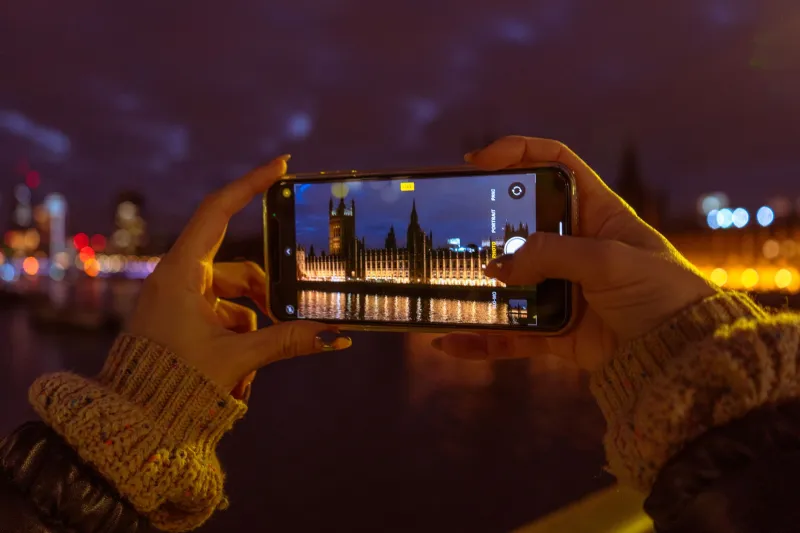
Winter evenings in London have a distinct moment. Sometime around four o’clock in November, the office windows, streetlamps and floodlights come on while the sky still holds a thin blue line. From high ground, that is the switch-on: the city stops being a spread of grey roofs and becomes a circuit board of lit landmarks and dark gaps. It is worth the cold fingers. But the view after sunset asks different things of you — different timing, different paths, and a bit more thought about the places that quieten down once the gates are locked.
What changes when the lights come on
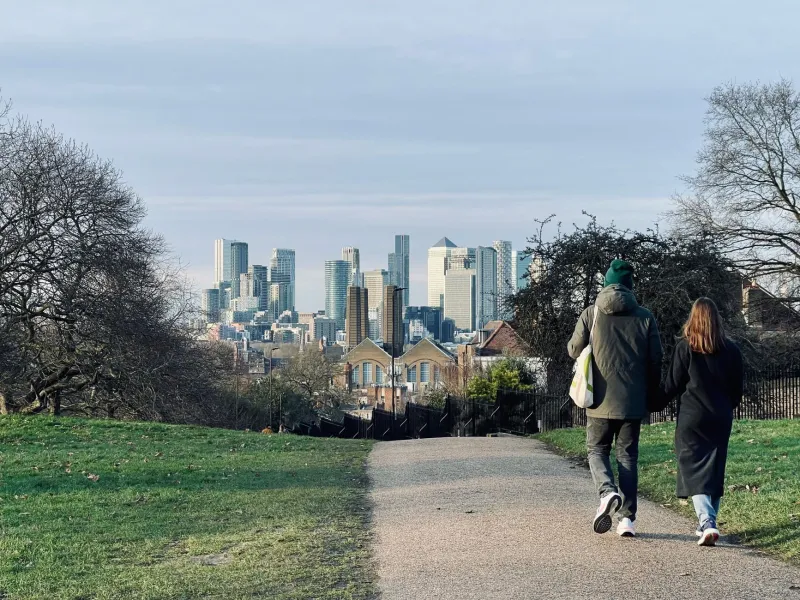
A daylight view is about geometry: roofs, towers, the shape of the Thames. A night view is about signal. The Shard becomes a bright pin. St Paul’s lifts out of the City. Canary Wharf turns into a cluster of lit towers, and Alexandra Palace’s mast blinks above the northern ridge. The foreground goes dark, which sounds like a loss but is often the opposite: trees and hills become silhouettes, and the city reads more clearly because the clutter has gone.
Cold, clear nights also sharpen the air. You can see further than you expect — sometimes all the way to the North Downs from the right ridge. That is the trade-off. Clear skies mean lower temperatures, so the best night views are rarely the comfortable ones.
High points that stay usable after sunset
The first rule of after-dark viewing in London is simple: not every park stays open. Royal Parks such as Greenwich Park close at dusk in winter, so a full-dark visit is not on the cards. Primrose Hill has closing times too. Check before you travel. The best night views often come from places that never lock a gate: public streets, hilltop roads and the edges of open heath.
Parliament Hill on Hampstead Heath is the classic. The heath is open around the clock, though car parks and some paths close earlier, and the top can be genuinely dark. Bring a torch and stick to the main paths. From the top, the City sits in a bowl of lights, with the Shard and the Walkie Talkie clearly readable. It is a proper winter view: bleak in a good way, with the wind coming off the heath.
Richmond Hill is another reliable one. The famous view from the terrace looks down over the Thames and across to the Chilterns on a clear day; after dark, the river becomes a black ribbon and the town below turns into a warm grid. It is a street-level viewpoint, so there are no gates to worry about. The same goes for parts of Alexandra Palace Park when the forecourt is open — check locally, because closing times move with the season.
If you want a view without a park, station car parks and upper streets can work surprisingly well. The point is not to chase the highest ground but the most accessible high ground after sunset.
Timing the switch-on
The best moment is not full dark. It is the twenty minutes when the lights are on but the sky still has colour. In mid-November that means roughly 3.45pm to 4.30pm, depending on cloud. Arrive early, find your spot, and let the city come on around you. By full dark, the show is still good, but the contrast has gone and the cold starts to win.
Check the sunset time rather than guessing. A weather app will also tell you whether cloud will block the western glow. A clear night is colder, but it is usually the better view.
Gates, paths and cold fingers
Practical kit matters more than it does in daylight. Wear shoes with grip — paths on the heath and in the parks can be muddy or icy. Bring a small torch or use your phone, but keep the phone warm: cold batteries drain fast, and you do not want to be relying on it for light and directions at the same time. Gloves with touchscreen tips are worth the extra few pounds.
Tell someone where you are going if you are heading out alone. Stick to lit paths where you can, and avoid cutting through dark woods or isolated corners just to save five minutes. The view is not worth a twisted ankle.
Stay warm without spoiling the view
A flask is the obvious answer. Tea, coffee or soup beats a pub stop if you want to stay on the hill. Hand warmers are cheap and make a real difference. Layer up, including your legs — people forget that standing still in a cold wind is much colder than walking. Keep moving between viewpoints if you can.
Being a good guest after dark
These places are shared with residents, dog walkers and people who use the heath or park for quiet. Keep noise down, take litter home, and do not climb fences or ignore closing times. If a gate is locked, it is locked for a reason. The best night views are the ones that stay available because people treat them well.
A short cold-evening route
Start at Parliament Hill for the switch-on, then walk down towards Hampstead Heath overground station. You get the city view first, then the dark heath paths, then a train home. Alternatively, take in Richmond Hill at dusk and finish in Richmond town for a pub. Both routes are short, both are accessible by public transport, and both work on a cold Tuesday in November when you have finished work and want a view rather than a plan.
The city after dark is not the same place as the city in daylight. From high ground, it is brighter, stranger and often quieter. Wrap up, pick a clear night, and watch London switch on.