The Skyline Twitcher: A Winter Birdwatch from London’s High Ground
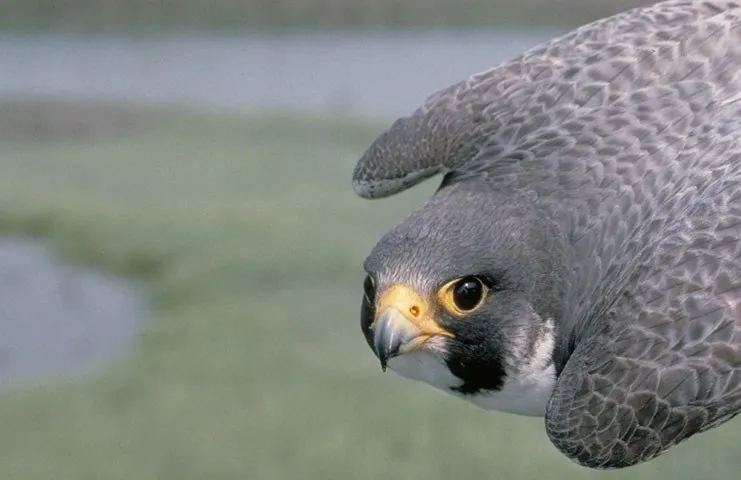
Photo: U. S. Fish and Wildlife Service - Northeast Region, Public domain, via Wikimedia Commons
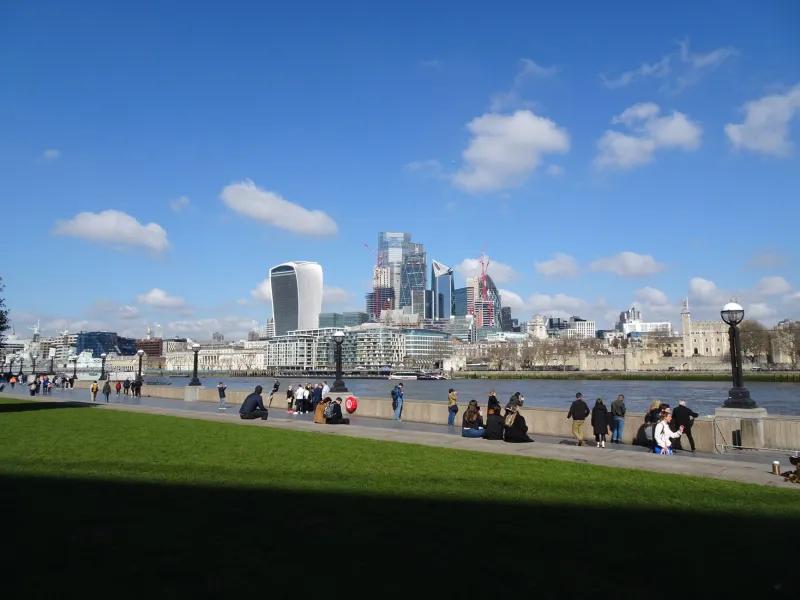
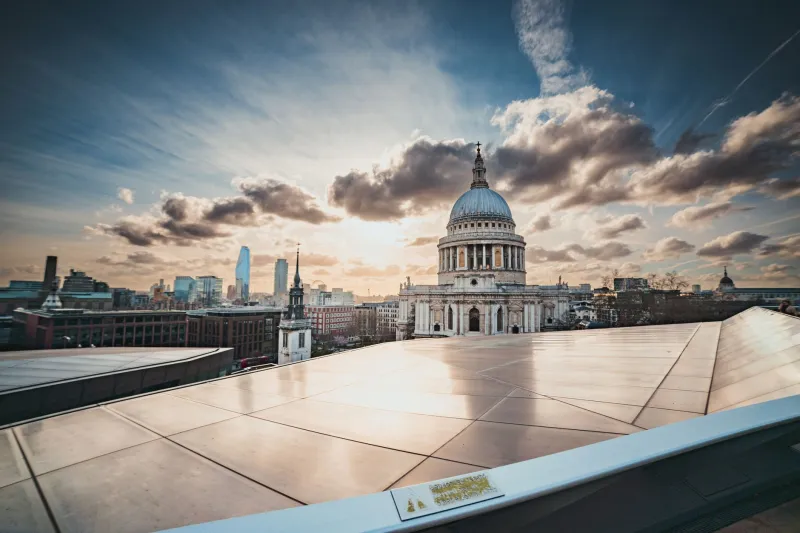
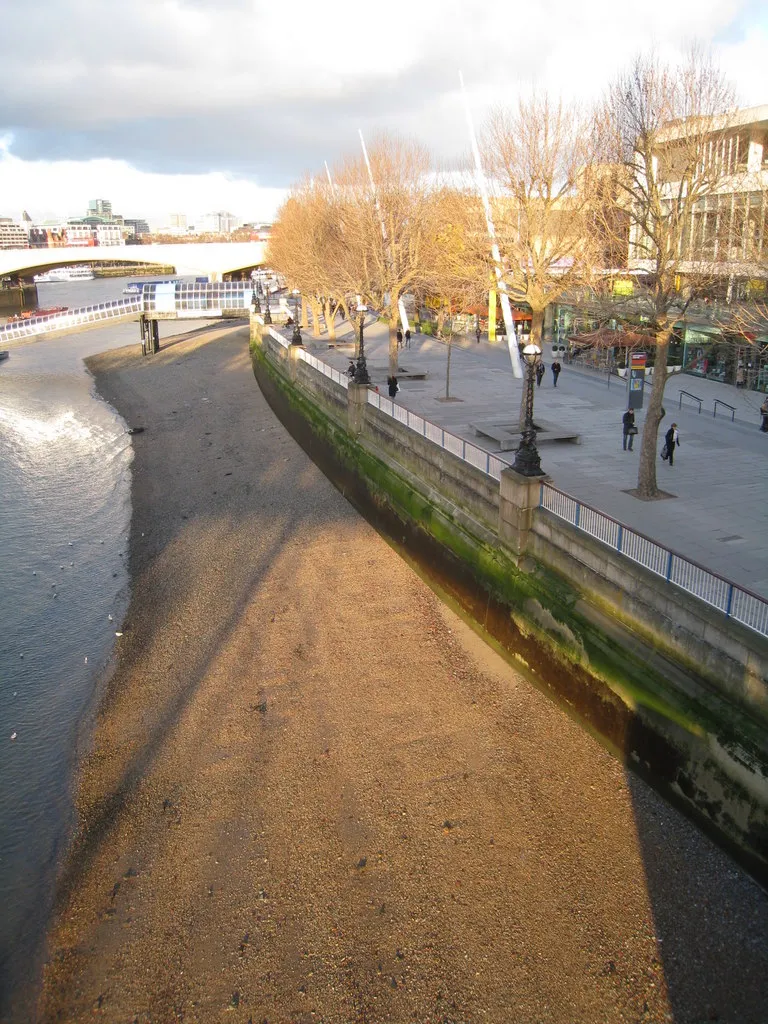
London in winter is not the birding backwater people sometimes assume. The city sits inside the Thames basin, with a river that acts like a motorway for gulls, a skyline full of accidental cliff faces, and enough parks and cemeteries to keep woodpigeons, parakeets and the odd raptor on the move. What changes when you get up high is not just the view. It is the angle. From a rooftop or a hill you stop looking into bushes and start looking across flight paths. You see silhouettes against cloud, flocks crossing the river, and the way birds use the wind between buildings. This is a guide to doing that on a short, cold day without turning it into a twitching expedition.
Why altitude changes the birdwatching
At street level, most urban birding is about noticing what lands nearby. Up high, it becomes about movement. Gulls slide along the Thames on days when the wind funnels west, woodpigeons commute between feeding grounds and roosts in loose, heavy-winged groups, and peregrines use tall buildings as hunting perches. You also get cleaner silhouettes. A bird half a mile away is often just a speck from the pavement, but from a high point you can see the wingbeat, the glide, the sudden change of direction that tells you it is not another pigeon.
The other advantage is sound. Less traffic, more sky. On a quiet morning on Hampstead Heath or above the City, you may hear the dry chatter of a peregrine before you see it, or the soft contact calls of redwings moving through in a loose flock. Winter is when London’s birdlife feels more like a system than a collection of individual sightings: birds moving to water, to roosts, to warm edges of buildings.
Four high points worth the binoculars
Tate Modern viewing level, Bankside
The free viewing level at Tate Modern is one of the easiest high birdwatching spots in London. Lifts do the work, the terrace is open to the sky, and the sightlines take in the Thames, the City and a wide sweep of Southwark rooftops. Peregrines have nested around the Tate complex for years, so keep an eye on ledges and chimney tops rather than just the open sky. Gulls move along the river below you, often at eye level from the terrace, which makes them much easier to identify than when they are wheeling over a bridge.
Go early. The terrace opens at 10am on most days, which is not dawn, but it still catches the first proper hour of winter light. Check the Tate’s opening times before you travel, especially around Christmas. It is a good option for mixed groups: one person can watch birds while another looks at the art, and nobody has to pretend they enjoy standing in a cold field.
Parliament Hill, Hampstead Heath
Parliament Hill is the classic London high ground, and in winter it earns its reputation. The view south over the city is famous, but the birding is best when you turn slightly away from the skyline and watch the treeline and the open slopes. Ring-necked parakeets are noisy and obvious, especially around the Heath’s edges. Woodpigeons move in numbers. On cold, clear mornings you may see kestrels hovering over the rough grass, and if the wind is from the north there is always a chance of something passing through that is not a regular.
The paths up are paved but steep in places, and they get muddy at the edges after rain. Bus routes stop nearby, so it is doable without a car. Bring a torch if you are staying for the afternoon in December; the light goes quickly, and the Heath is not a place to be squinting at your phone map in the dark.
Greenwich Park and Point Hill
Greenwich gives you a different slice of the Thames basin. From the park’s high ground you look down on the river’s bend, the Old Royal Naval College and the Isle of Dogs. Gulls follow the river here in winter, and the mix of open grass, trees and water means you get both sky birds and edge birds. Point Hill, just west of the park, is a smaller, quieter rise with a framed view over the city. It is not a long walk from Greenwich station, but it is steep enough to feel like a proper climb.
This is a good spot for a short day because everything is close together: station, park, viewpoint, cafe, train home. It is also a reminder that you do not need a nature reserve. A patch of high ground with a wide horizon is enough.
The Garden at 120, City of London
For a City peregrine watch with a lift and a roof terrace, The Garden at 120 is hard to beat. It is free, but you usually need to book, and it closes earlier than you might expect in winter. The advantage is height without effort: you are level with the rooftops where peregrines perch, and you can scan the gaps between buildings rather than craning up at them. Gulls look different from this angle too, less like chip thieves and more like proper seabirds riding the wind between towers.
Treat it as a lunchtime or mid-afternoon stop rather than a whole day. The terrace is a shared space, so keep binocular use discreet and do not hog the best corner for an hour. If the peregrines are not showing, the roofscape itself is the consolation prize.
Timing a short winter day
In November and December, you have maybe six or seven usable hours of light. The best plan is to start high and stay high. Birds are often most active in the first couple of hours after dawn, but London’s dawn is late enough in winter that you do not need to be out at 4am. A 7.30am start on Parliament Hill or a 10am start at Tate Modern both work, depending on what you want to see. Peregrines often hunt early and again towards dusk. Gulls move throughout the day, especially when the tide is doing something interesting on the Thames. Woodpigeons are creatures of habit: watch for flocks heading out in the morning and back in the afternoon.
Weather matters more than time. A clear, cold morning after a front has passed is usually better than a mild, grey one. Mist can be atmospheric but it flattens the view and hides birds. Wind is useful: it pushes birds up and gives you a sense of where they are heading. Check the sunset time before you set out, and do not rely on the city’s glow to light your way down a muddy hill.
Binoculars, etiquette and the small print
You do not need expensive optics. A decent pair of 8x42 binoculars is plenty for London, and a compact pair is better than a heavy pair you leave at home. Do not use drones. Do not play bird calls to pull birds closer. Stay on paths where they exist, keep dogs close, and give nesting or roosting birds space. If a peregrine is on a ledge, watch from a distance rather than trying to get the perfect phone shot. The point is to see birds going about their day, not to make them react to you.
Finally, remember that high ground in winter is shared ground. Dog walkers, runners, photographers and people who just want to look at the skyline all have the same idea. A quiet voice, a little patience and a willingness to move on if a spot gets busy will do more for your birdwatching than any gadget. The birds are already using the city at altitude. You are just borrowing their angle for an hour or two.